
ECE R10 testing
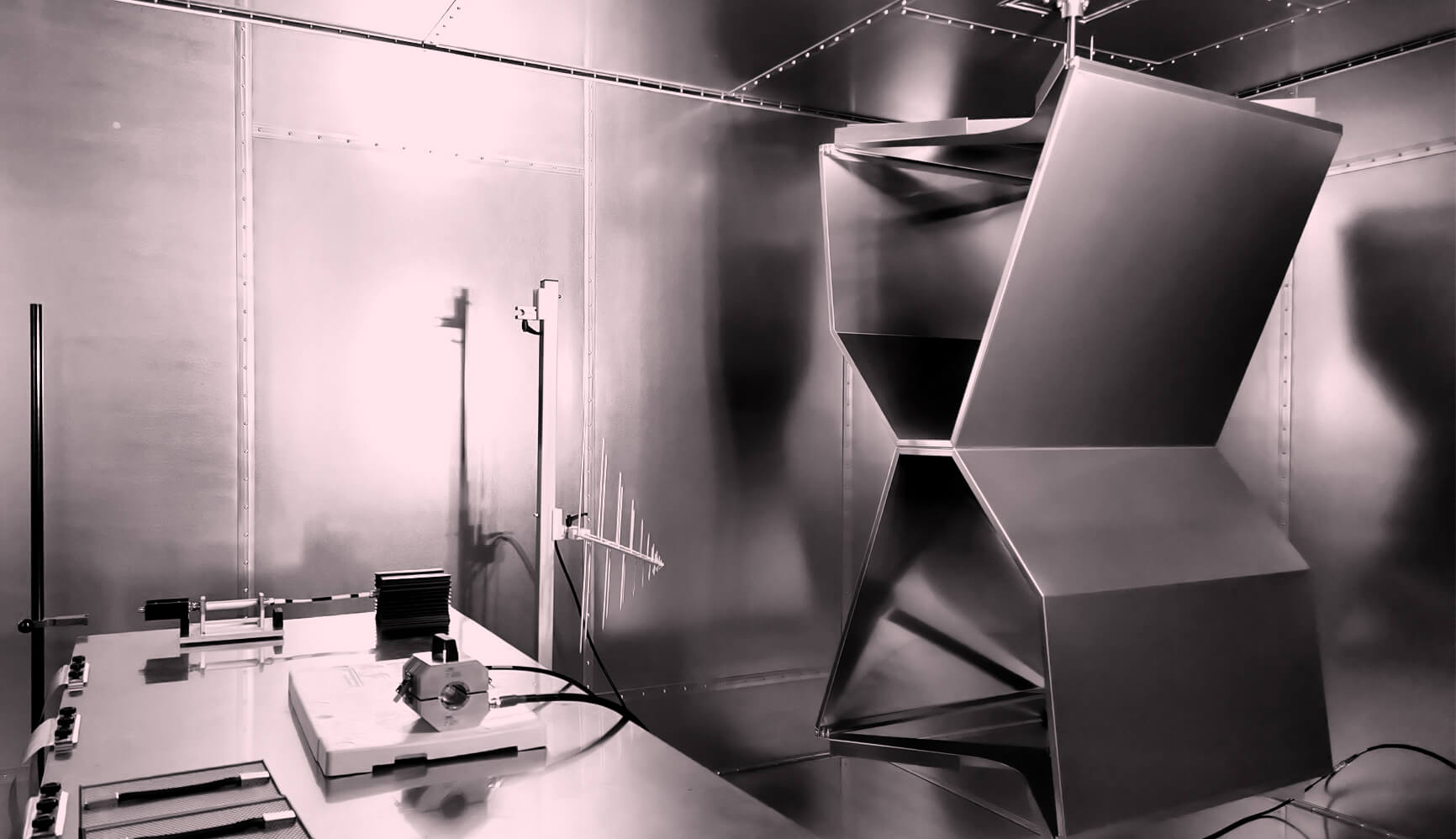
The 6NAPSE Group carries out ECE R10 testing for the validation of electromagnetic compatibility (EMC) of electrical and electronic equipment in vehicles.
What is the ECE R10 standard?
The ECE R10 standard, issued by the United Nations Economic Commission for Europe (UNECE), is an essential regulation for ensuring the electromagnetic compatibility (EMC) of vehicles and their electronic components. Its main objective is to ensure that vehicle electrical and electronic equipment does not cause excessive electromagnetic interference that could disrupt the operation of other systems, and that the vehicle itself is immune to such interference.
ECE R10 tests, electromagnetic compatibility (EMC)
The 6NAPSE Group conducts tests for the automotive industry and all vehicle categories (cars, trucks, buses, etc.). Our testing laboratory validates electronic components intended for installation on these vehicles. Compliance with the ECE R10 standard is crucial to ensuring the safety and reliability of vehicles and their electronic systems. It requires a series of rigorous tests to assess the compliance of vehicles and their components.
To this end, our testing laboratory conducts electromagnetic compatibility (EMC) tests.
These tests include:
- Emission tests: measurement of electromagnetic interference emitted by the vehicle or component.
- Radiated emissions tests: measurement of electromagnetic waves emitted into space.
- Conducted emissions tests: measurement of interference transmitted by cables and connections.
- Immunity tests: assessment of the vehicle’s or component’s ability to withstand external electromagnetic interference.
- Radiated immunity tests: exposure to electromagnetic fields of varying frequencies and intensities.
- Conducted immunity tests: injection of electromagnetic disturbances into cables and connections.
For more information, contact our teams!