Nitrosamine analysis laboratory
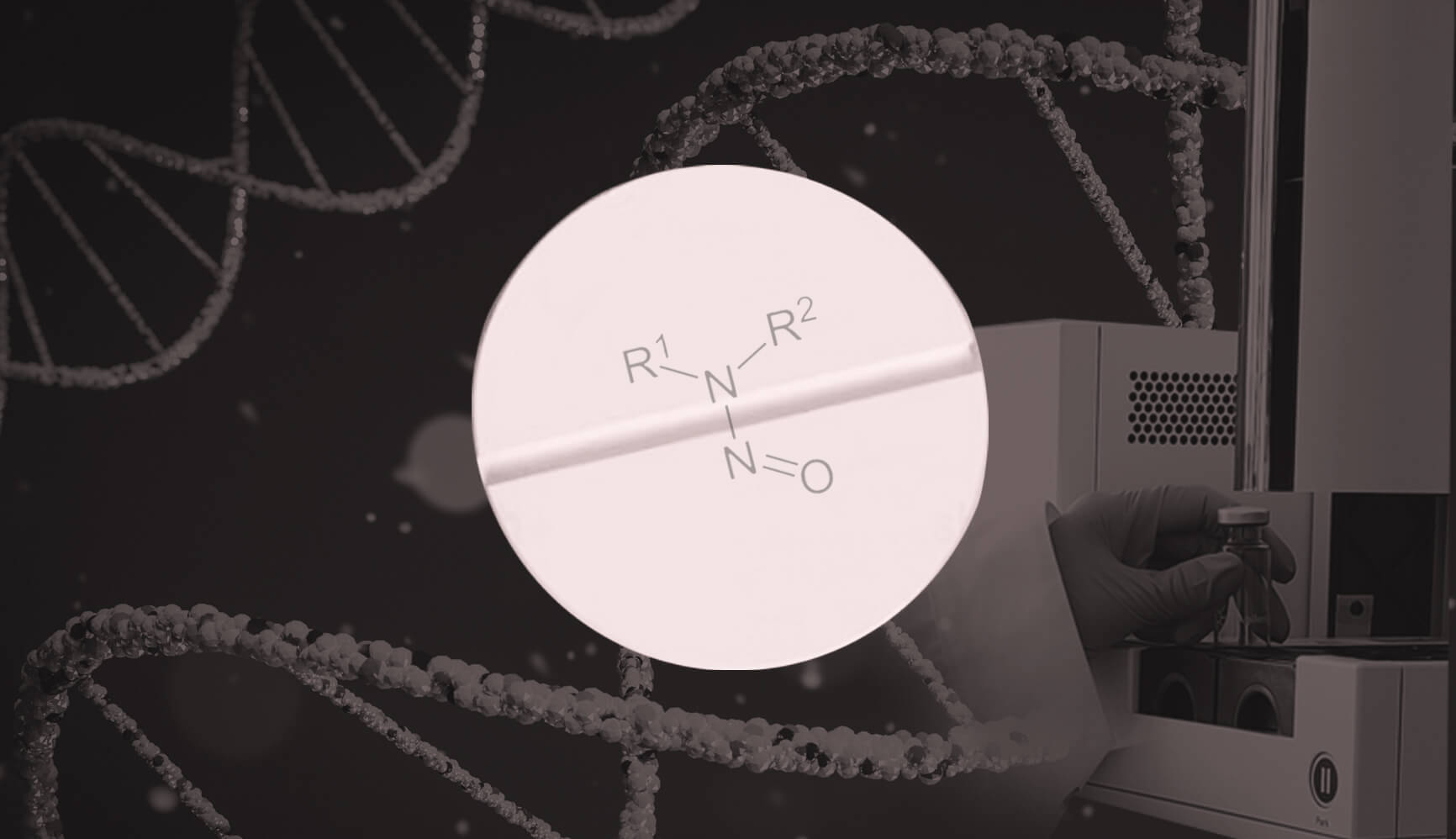
The laboratories of the 6NAPSE Group carry out the analysis and quantification of nitrosamines.
What are nitrosamines?
Nitrosamines are a family of nitrogenous chemical compounds formed primarily by the reaction between nitrites or nitrates and amines or amides. They can be found in foods (such as processed meat products) or in industrial and cosmetic products. Many nitrosamines are considered hazardous, which explains their strict monitoring and regulation.
Laboratory Analysis of Nitrosamines
The 6NAPSE Group performs nitrosamine analysis and quantification for industrial clients:
- Nitrosamine quantification in products (NDMA, NDEA, NMOR, NPYR, etc.)
- Analysis of elemental impurities (ICHQ3D context)
- Nitrosamine impurity analysis
- Nitrite and nitrate analysis
Before analysis, our laboratory prepares the sample by extracting and purifying the nitrosamines. We then perform characterization using sensitive analytical techniques, as nitrosamines are often present at very low concentrations (ng/g or ng/mL).
We primarily use chromatography coupled with mass spectrometry:
- GC-MS (Gas Chromatography – Mass Spectrometry) for volatile nitrosamines (e.g., NDMA, NDEA).
- LC-MS (Liquid Chromatography – Tandem Mass Spectrometry) for non-volatile nitrosamines or in complex matrices (e.g., tablets, syrups).
Applications

Pharmaceutics
Nitrosamines are potentially carcinogenic impurities. Their presence has been detected in several medications (e.g., valsartan, ranitidine), leading to mass recalls.
Regulatory requirements:
Agencies such as the EMA (European Medicines Agency), the FDA (United States), and the ANSM (France) now require rigorous testing for the presence of nitrosamines in medications.

Agri-foods
Nitrosamines can form during the processing of meat products (high-temperature cooking, smoking) or through the interaction of nitrates/nitrites with amines.
Monitoring:
They are monitored in certain foods (e.g., processed meats, beer, smoked fish), particularly in Europe and North America.

6NAPSE Group assets
- Complete validation plan (support for all tests of a standard)
- All controls, tests and analyzes in our laboratories are carried out in compliance with the quality criteria of our industrial customers.
- Short standard deadlines and emergency support options
For more information, contact our teams!